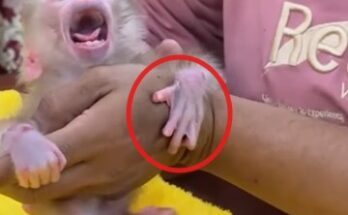
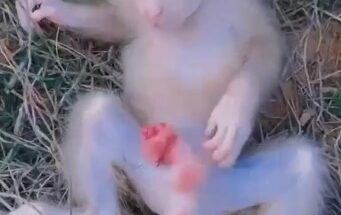
Newborn baby monkeys are some of the most fragile and emotionally dependent animals in the world. Whether they are rescued, orphaned, or receiving medical care in a rehabilitation center, these tiny primates require constant attention, warmth, and specialized nurturing. Providing proper care not only protects their health but also helps them grow into strong, emotionally stable adults capable of thriving in a natural or sanctuary environment.
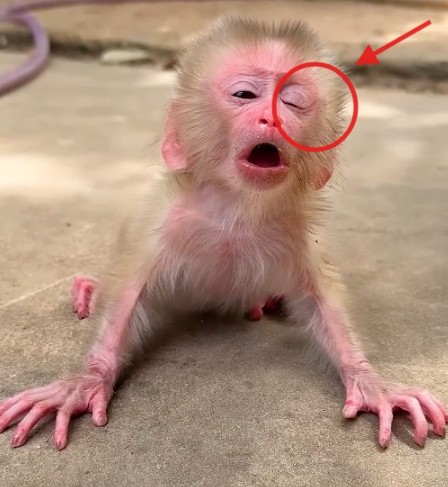
🌡️ 1. Creating a Warm and Safe Environment
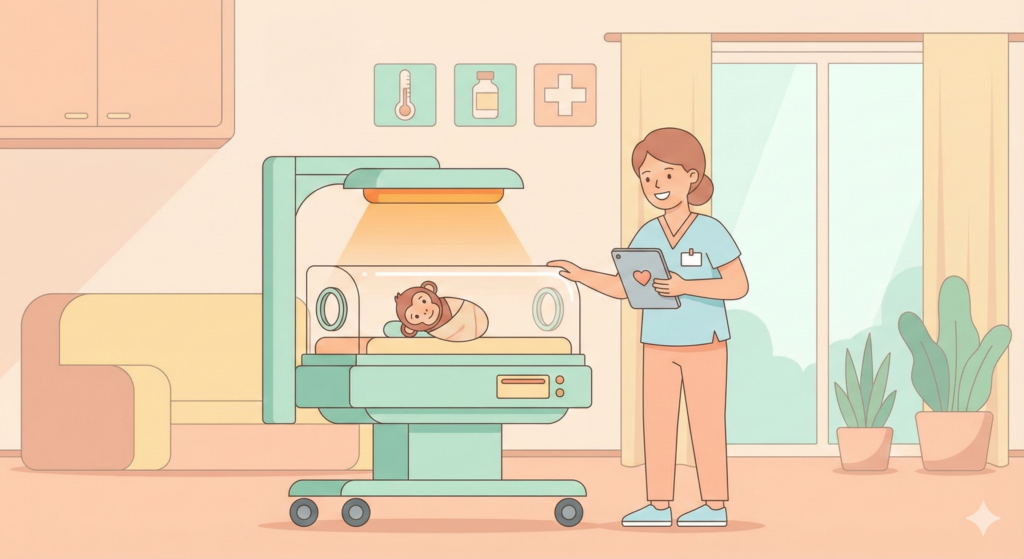
Baby monkeys cannot regulate their body temperature well, making warmth their first essential need.
Ideal caregiving practices include:
- Using an incubator or warm hospital crib
- Providing soft fleece blankets
- Keeping the room at a consistent, gentle temperature
A warm, calm environment helps reduce stress and boosts healthy development.
🍼 2. Feeding Newborn Monkeys Properly
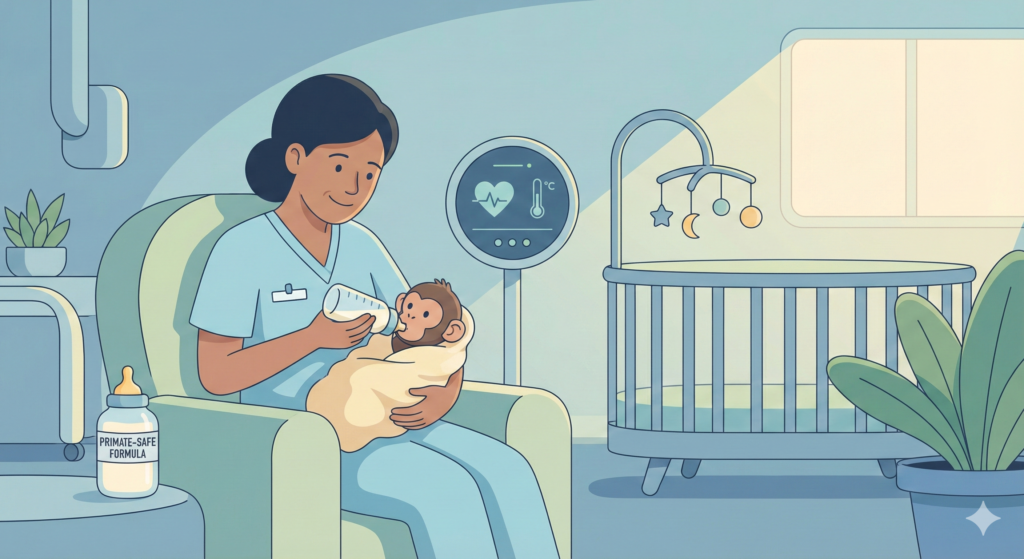
Nutrition is critical during the first weeks of life. Unlike human babies, monkeys require species-appropriate milk formulas designed specifically for primates.
Key feeding practices:
- Use primate-safe milk formula
- Feed every 2–3 hours depending on age
- Hold the baby upright to prevent choking
- Monitor for bloating or dehydration
Many newborn monkeys naturally cling to a caregiver during feedings, reinforcing emotional connection.
🧼 3. Practicing Excellent Hygiene
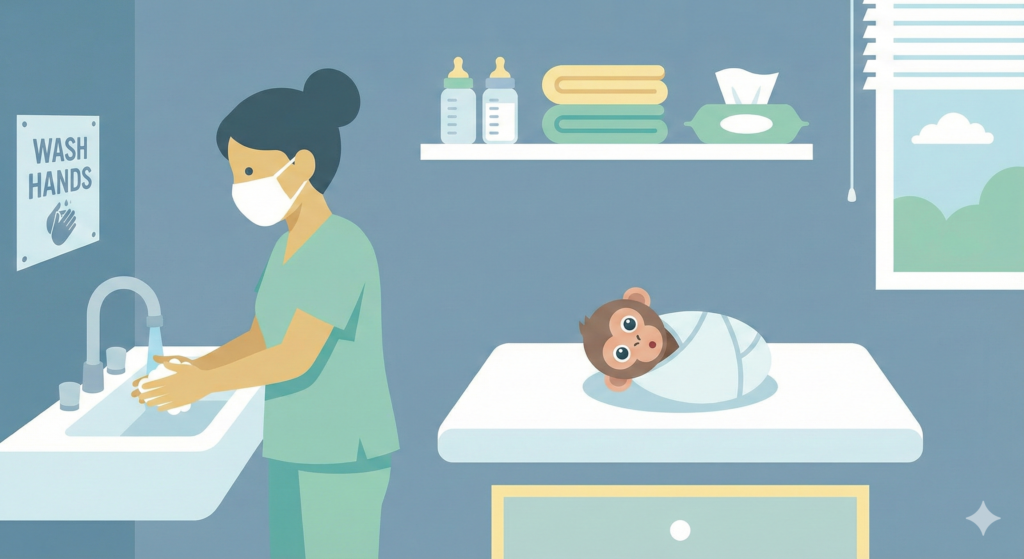
Newborn monkeys are vulnerable to infection, so maintaining cleanliness is essential.
Important habits:
- Sterilize feeding bottles after each use
- Wash hands before handling the baby
- Clean bedding daily
- Keep the care area free from moisture and bacteria
Good hygiene prevents illness and keeps the baby comfortable.
❤️ 4. Providing Emotional Comfort and Bonding

Baby monkeys are extremely social. Without emotional bonding, they may experience anxiety and developmental delays.
Ways to provide comfort:
- Skin-to-skin contact
- Allowing them to cling to the caregiver or a soft toy
- Gentle rocking or holding
- Speaking softly around them
Emotional care is just as important as physical care.
🩺 5. Monitoring Growth and Overall Health
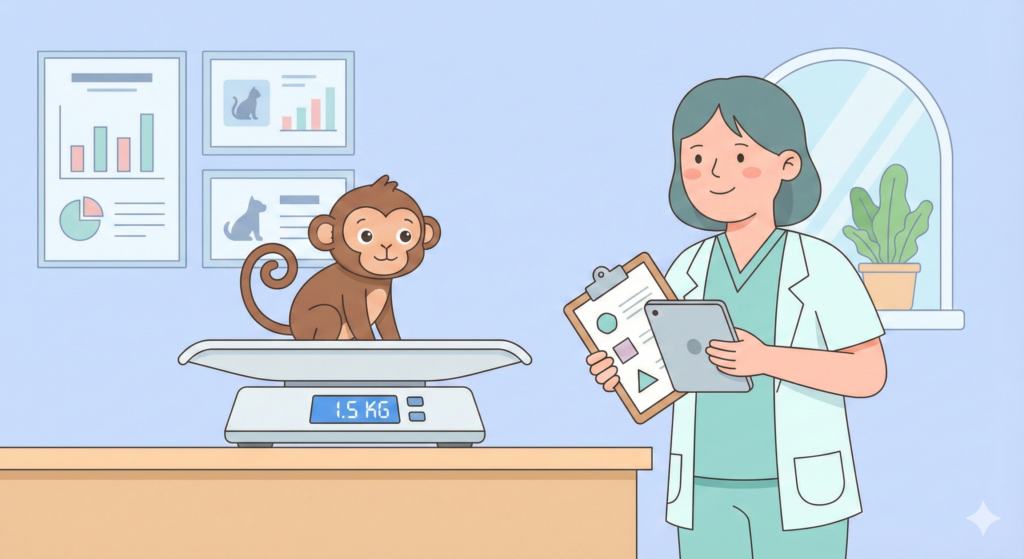
Regular checkups at a wildlife hospital or sanctuary clinic help detect any issues early.
Caregivers should watch for:
- Consistent weight gain
- Healthy skin with no irritation
- Normal bowel movements
- Active behavior and alertness
Veterinarians may also check for congenital issues or dehydration.
🍌 6. Preparing the Baby Monkey for Growth
As the monkey grows past the newborn stage, it will begin exploring, learning, and interacting with its surroundings.
Transition steps may include:
- Introducing soft solid foods
- Adding safe climbing structures
- Encouraging social interaction with other monkeys
Healthy early care builds the foundation for a strong, well-adjusted future.
🌟 Final Thoughts
Taking care of a newborn baby monkey requires patience, gentleness, and specialized knowledge. From feeding and warmth to emotional bonding and hygiene, each step plays a vital role in helping these beautiful young primates thrive. With proper care in a sanctuary or veterinary hospital, newborn monkeys can recover, grow, and eventually live fulfilling lives in environments that meet their natural needs.