
Taking care of the body is not just about treatment when pain appears — it is about prevention, awareness, and timely action. Many serious health problems begin as small, almost unnoticeable changes. Ignoring these early signs often leads to complications that require more complex medical care later.

Why Early Care Matters
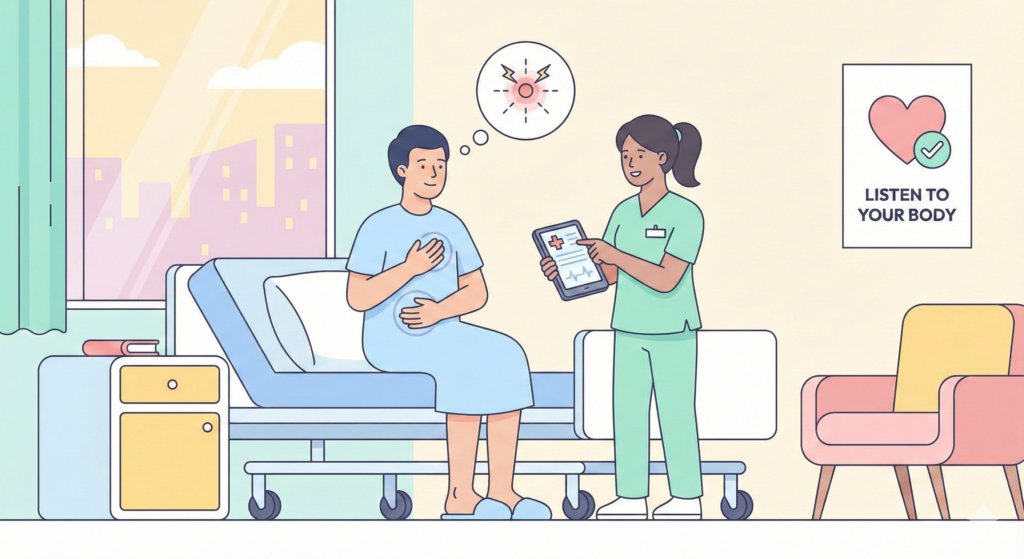
Our bodies communicate through signals such as swelling, discomfort, redness, fatigue, or unusual changes in skin and tissue. These signs are warnings, not inconveniences. Early care can:
- Prevent infections from spreading
- Reduce long-term treatment costs
- Speed up recovery
- Protect mental well-being
- Improve overall quality of life
When people delay care, conditions that could be treated simply may turn into emergencies.
Daily Care Habits That Protect Health

Good care starts with everyday habits. Simple routines can greatly reduce health risks:
- Maintain personal hygiene to prevent bacterial growth
- Eat balanced meals to support immune function
- Stay hydrated to assist body repair processes
- Get enough rest so the body can heal itself
- Observe your body regularly for unusual changes
Self-care does not replace doctors, but it reduces avoidable health issues.
When Professional Care Is Necessary
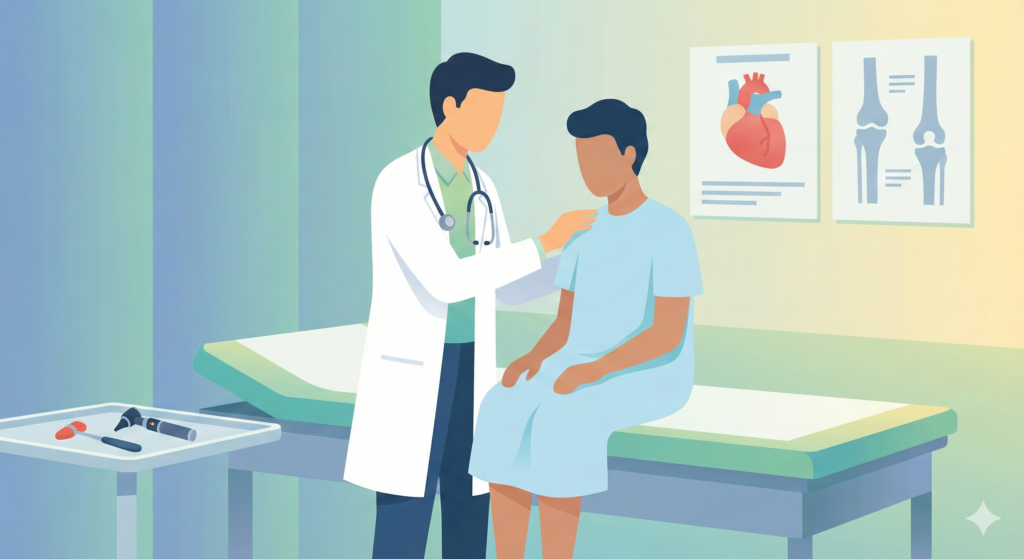
Not every issue can be solved at home. Medical professionals are trained to diagnose and treat problems safely. Seeking professional care is essential when:
- Pain worsens instead of improving
- Swelling or lumps grow rapidly
- Skin changes color or texture abnormally
- Fever or weakness appears
- Home remedies fail
Early medical attention often results in simpler procedures and better outcomes.
The Role of Hospitals in Proper Care
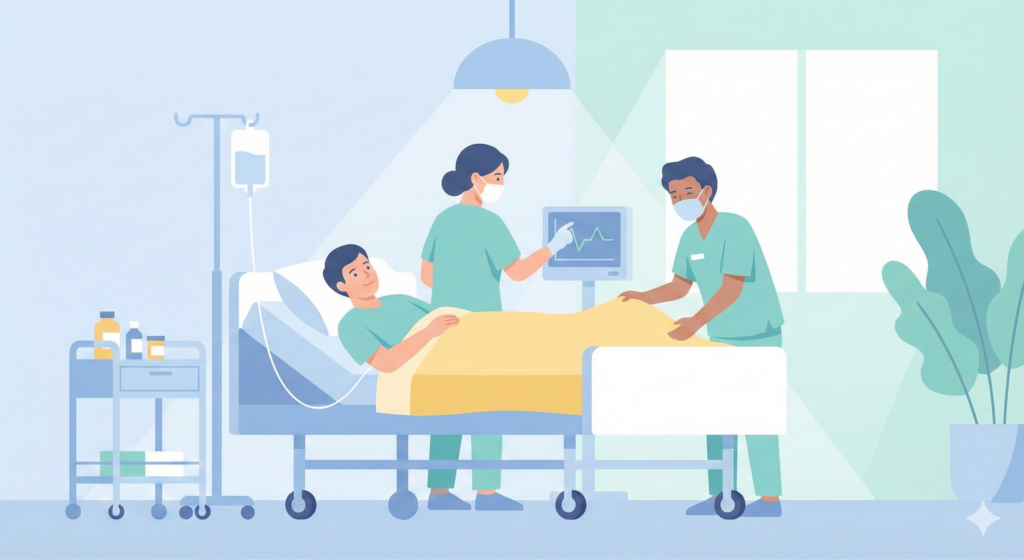
Hospitals provide controlled, sterile environments where treatment is safer and more effective. Modern hospitals combine technology, trained staff, and hygiene standards to ensure patient safety. Trusting medical care is an important step toward recovery.
Care Is an Ongoing Commitment

Taking care of health is not a one-time action — it is a lifelong responsibility. Listening to your body, acting early, and respecting medical advice can prevent suffering and protect future well-being.