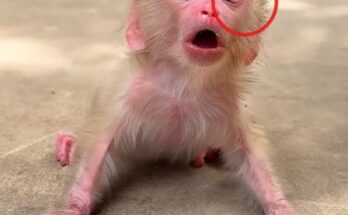
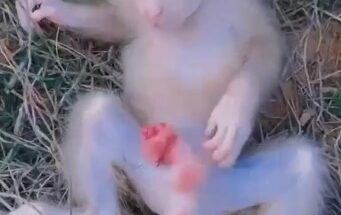
Baby monkeys express their emotions loudly and clearly—especially when they feel scared, uncomfortable, or overwhelmed. Their cries are not just sounds; they are signals asking for safety, comfort, and reassurance. When a newborn or very young monkey begins to cry out in fear, it’s a moment that demands patience, gentleness, and deep understanding from the caregiver.
😢 Why Baby Monkeys Cry
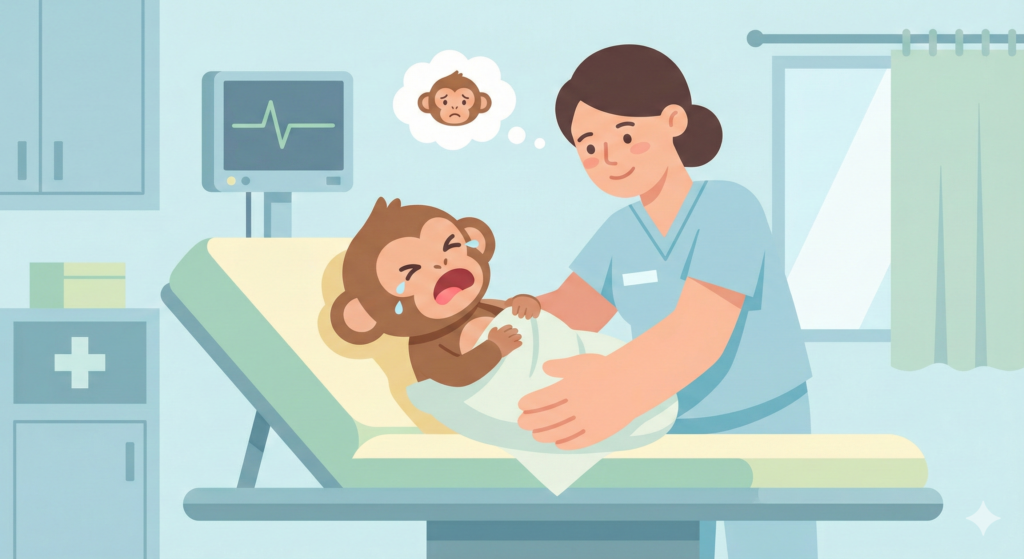
Crying is one of the main ways baby monkeys communicate distress. Their small bodies are extremely sensitive, and any new sensation—being handled, moved, or separated—can quickly trigger fear.
Common reasons a baby monkey cries include:
- Feeling insecure or unbalanced while being held
- Sudden movements or unfamiliar handling
- Hunger or digestive discomfort
- Loud noises or new environments
- Pain or sensitivity from recent medical issues
A frightened cry is a sign that the baby needs immediate comfort and slower, gentler handling.
🧡 The Importance of Gentle Touch
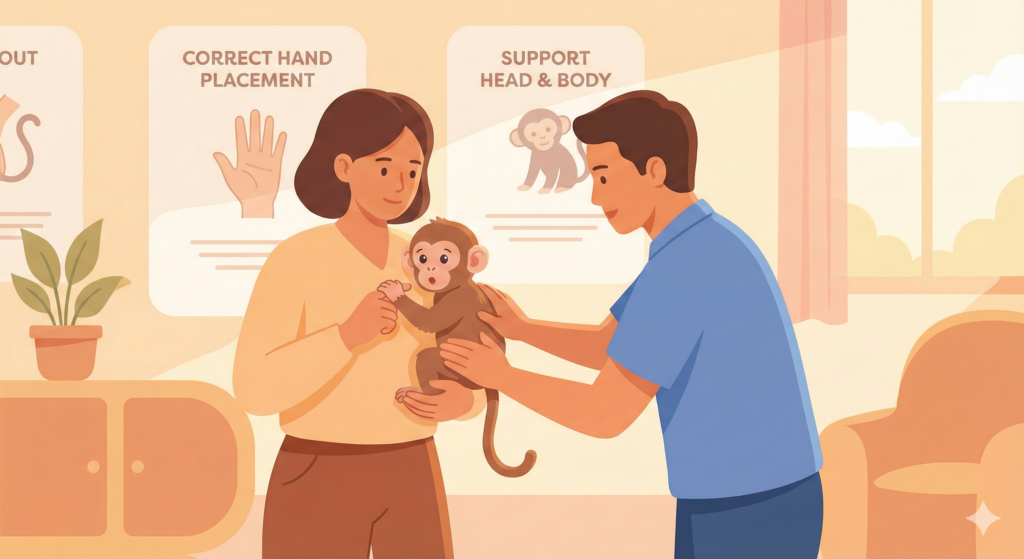
Physical security is crucial for baby monkeys. In the wild, infants cling tightly to their mothers all day. When held by humans, they must feel:
- Supported
- Safe
- Close to a warm body
- Free from sudden pressure or awkward positions
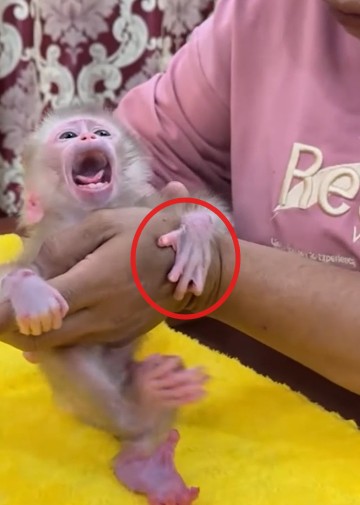
If the baby’s hand, arm, or body feels strained or unsupported, they may cry loudly from discomfort or fear. Using two hands, soft grips, and slow movements helps build trust.
🌸 Recognizing Signs of Fear

A scared baby monkey may show:
- Wide-open mouth crying
- Tight, stiff body movements
- Clinging desperately
- Attempting to pull away
- Trembling or shaking
These reactions are expressions of instinctive fear—not misbehavior. They show the baby’s strong need for protection.
🏥 Providing Comfort in Stressful Moments

When a baby monkey is frightened, caregivers can help by:
- Holding the infant close to their chest
- Speaking softly
- Supporting the arms and legs fully
- Allowing the monkey to cling naturally
- Creating a quiet, warm environment
Consistency is key. Over time, a baby monkey will begin to associate human touch with comfort instead of fear.
❤️ Healing Through Trust
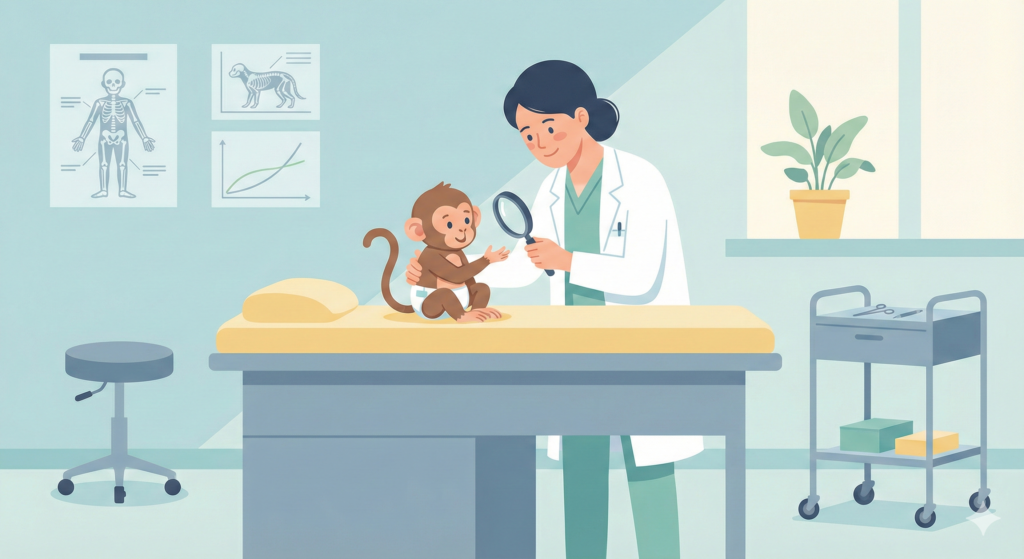
Fear in baby monkeys can decrease significantly with proper emotional care. Building trust involves:
- Daily gentle interactions
- Respecting the baby’s signals
- Offering warmth and stability
- Slow, careful handling
- Allowing them to reach out or cling voluntarily
When the caregiver is calm and patient, the baby learns that they are safe—turning fear into security.
🌟 Final Thoughts
A crying, frightened baby monkey is expressing a deep need for connection and safety. Through soft handling, consistent comfort, and emotional patience, caregivers can help transform fear into trust. These early moments of compassion play a crucial role in the baby’s healthy development and emotional well-being.